Free Sitemap Frequency Analyzer
Paste your XML sitemap URL to analyze update frequency patterns. See how your changefreq and lastmod values are distributed, identify stale content that needs refreshing, and find your most recently updated pages.
Enter your website to track its AI visibility across ChatGPT, Gemini, Claude, and Perplexity — and turn chatbot mentions into traffic.
- Set up in minutes
- Cancel anytime
Why Sitemap Freshness Matters for SEO
Search engines use sitemap metadata to prioritize which pages to crawl and when. Accurate lastmod dates help Google discover your updated content faster, while stale pages with outdated information can drag down your overall site quality signals.
Content freshness is a confirmed ranking factor for time-sensitive queries. Pages that haven't been updated in over a year may lose rankings to competitors who keep their content current. Regularly auditing your sitemap's freshness distribution helps you prioritize which pages to refresh first.
Understanding changefreq and lastmod
The changefreq Tag
The changefreq element accepts values like always, hourly, daily, weekly, monthly, yearly, and never. It tells crawlers how often you expect a page to change. While Google has said it largely ignores this tag, it can still be useful as an internal audit tool to see whether your declared frequency matches reality.
The lastmod Tag
The lastmod element is far more important. It tells search engines the last time a page was meaningfully updated. Google actively uses this signal — but only if the dates are trustworthy. If your CMS updates lastmod on every page load or deploy without actual content changes, Google will learn to ignore your dates.
Best Practices
- Only set
lastmodwhen page content actually changes - Use W3C Datetime format (e.g.,
2026-03-17or2026-03-17T10:30:00+00:00) - Don't rely on
changefreqalone — pair it with accurate lastmod dates - Review pages with lastmod dates over 12 months old for potential content refresh
How to Use This Tool
- Enter your XML sitemap URL (e.g.,
https://example.com/sitemap.xml) - The tool fetches and parses the sitemap, including child sitemaps from sitemap index files
- View summary stats: total URLs, how many have lastmod and changefreq values, and average content age
- Analyze the changefreq distribution to see your declared update frequencies at a glance
- Check the content freshness chart to see how many pages were updated recently vs. over a year ago
- Review the stale URLs list and prioritize them for content refresh or removal
Common Issues
Missing lastmod Dates
Many sitemaps omit lastmod entirely. While not required by the sitemap protocol, missing dates mean search engines have no hint about when your content was last updated. Configure your CMS to include accurate lastmod dates for all pages.
Inflated or Fake lastmod Dates
Some sites set every page's lastmod to the current date on each sitemap generation. This destroys the signal's value. Google will eventually ignore your lastmod if it's consistently inaccurate. Only update the date when the page content actually changes.
Overly Optimistic changefreq
Setting changefreqto "daily" on pages that haven't changed in months sends a misleading signal. While Google ignores this, it's still good practice to keep your declared frequency aligned with actual update patterns.
Large Volumes of Stale Content
If a significant portion of your sitemap contains pages older than a year, consider a content audit. Outdated pages can dilute crawl budget and hurt overall site quality. Either refresh the content, consolidate thin pages, or remove pages that no longer serve a purpose.
Frequently Asked Questions
What is changefreq in a sitemap and does Google use it?
The changefreq tag tells search engines how often a page is likely to change (e.g., daily, weekly, monthly). Google has publicly stated that it largely ignores changefreq and priority values, relying instead on its own crawl patterns. However, other search engines like Bing may still use it as a hint, and it remains useful for auditing your own content update habits.
How important is the lastmod tag for SEO?
The lastmod tag is significantly more useful than changefreq. Google uses lastmod as a signal to decide when to recrawl a page — but only if the dates are accurate. If you update lastmod without actually changing the page content, Google may learn to ignore your lastmod values entirely.
What does stale content mean and why does it matter?
Stale content refers to pages that haven't been updated in a long time (typically over a year). While evergreen content can remain valuable without frequent updates, many pages — especially those covering industry trends, statistics, or product information — lose accuracy and relevance over time. Search engines may prefer fresher content for time-sensitive queries.
Does this tool work with sitemap index files?
Yes. If you provide a sitemap index URL, the tool automatically fetches up to 5 child sitemaps and aggregates the URL data for analysis. This gives you a comprehensive view of update patterns across your entire site.
How often should I update my sitemap lastmod dates?
Only update lastmod when the page content actually changes. Artificially inflating lastmod dates can cause search engines to distrust your sitemap. Most CMS platforms update lastmod automatically when you edit a page. For large sites, aim to review and refresh your oldest content quarterly to maintain overall site freshness.
Enter your website to track its AI visibility across ChatGPT, Gemini, Claude, and Perplexity — and turn chatbot mentions into traffic.
- Set up in minutes
- Cancel anytime
From the blog
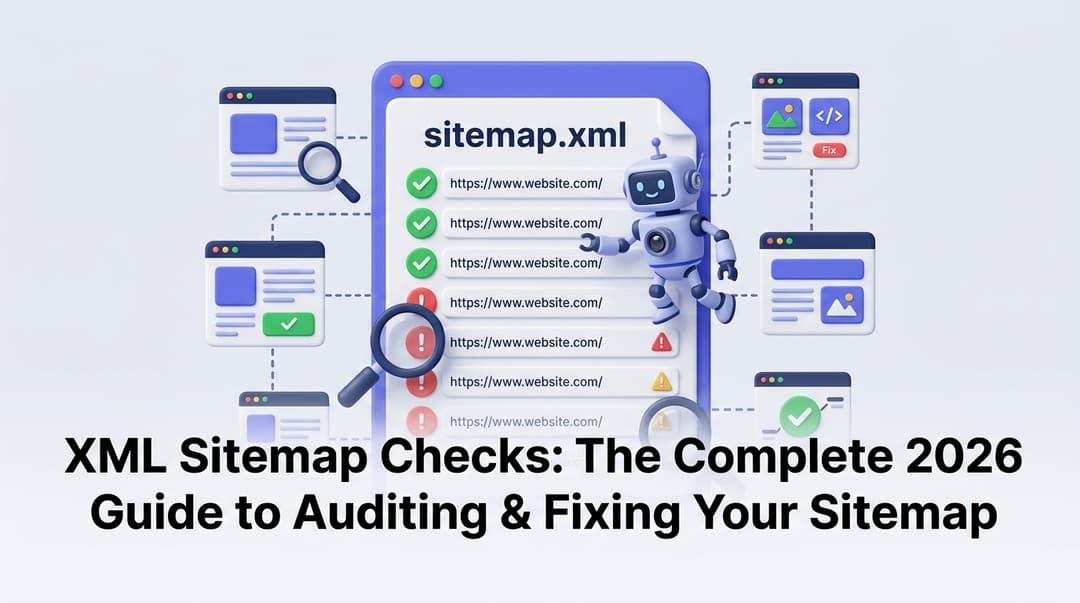
XML Sitemap Checks: The Complete 2026 Guide to Auditing & Fixing Your Sitemap
Learn how to run thorough XML sitemap checks in 2026. Discover common errors, how to fix them, and best practices to improve crawling and indexing.
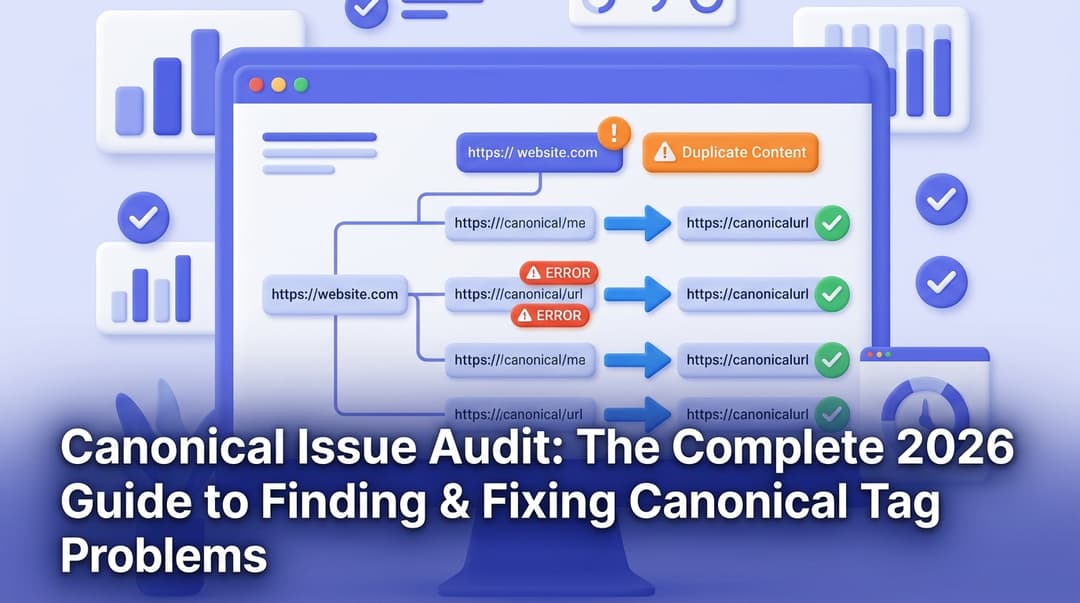
Canonical Issue Audit: The Complete 2026 Guide to Finding & Fixing Canonical Tag Problems
Learn how to run a full canonical issue audit in 2026. Discover the most common canonical tag errors, step-by-step fixes, and tools to protect your SEO rankings.