Free Keyword Gap Analyzer
Compare your keywords against a competitor to discover gaps in your content strategy. Find keywords they rank for that you don't, identify shared battlegrounds, and spot near-matches that represent potential opportunities.
Analyze Keyword Gaps
0 keywords (one per line)
0 keywords (one per line)
QuickSEO shows clicks, impressions, keywords and pages for every website you manage, compared with the period before.
- Unlimited websites on the free plan
- No credit card needed
Why Keyword Gap Analysis Matters
Every keyword your competitor ranks for that you don't represents lost traffic and revenue. Keyword gap analysis is one of the most efficient ways to find new content opportunities because you're leveraging your competitor's research and proven topics instead of starting from scratch.
- Find proven topics — competitors have already validated these keywords work in your niche
- Prioritize content creation — focus on high-opportunity gaps instead of guessing which topics to write about
- Identify competitive threats — see where competitors are gaining ground on shared keywords
- Protect your advantages — understand your unique keyword strengths and how to maintain them
How to Use This Tool
- Enter your keywords — paste the keywords you currently target or rank for (one per line). You can export these from Google Search Console.
- Enter competitor keywords — paste keywords your competitor targets. Extract these from their page titles, headings, blog topics, or use an SEO tool.
- Click "Analyze Gaps" — the tool instantly compares both lists and identifies gaps, overlaps, unique advantages, and near-matches.
- Review the tabs — check Missing Keywords for gaps, Shared Keywords for competitive positioning, Unique Keywords for your advantages, and Potential Gaps for near-matches worth investigating.
- Copy and act — copy the full report and use the results to plan your next content pieces.
Understanding Your Results
The analysis provides four key views of your competitive landscape:
- Missing Keywords (Gaps)— keywords your competitor targets that you don't. These are your biggest opportunities for new content.
- Shared Keywords (Overlaps) — keywords both you and your competitor target. These are your competitive battlegrounds.
- Unique Keywords (Advantages) — keywords only you target. These are your competitive moats that competitors have not yet addressed.
- Potential Gaps (Near Matches) — competitor keywords that are similar to yours but not identical. These highlight topics you partially cover and could target more directly.
Turning Keyword Gaps Into Content Strategy
Start With the Biggest Gaps
Focus on missing keywords that are most relevant to your business first. Look for competitor keywords with commercial or transactional intent, as these attract users closer to purchase decisions and are most likely to drive meaningful traffic and conversions.
Strengthen Shared Keywords
For keywords where your competitor leads, analyze what makes their content better. Often the difference comes down to content depth, freshness, or better on-page optimization. Update your existing content to be more comprehensive and better structured.
Defend Your Unique Advantages
Your unique keywords are competitive moats. Keep your content fresh and comprehensive for these topics. Invest in making your content more authoritative for these keywords before a competitor targets the same topics.
Frequently Asked Questions
What is a keyword gap analysis?
A keyword gap analysis compares your keyword portfolio against a competitor's to identify keywords they rank for that you don't (gaps), keywords you both target (overlaps), and keywords only you target (unique advantages). It reveals content opportunities you're missing and helps you prioritize which topics to create next.
How do I find my competitor's keywords?
You can find competitor keywords by reviewing their website content, blog topics, page titles, and meta descriptions. Use QuickSEO's other tools like the Keyword Density Checker to extract keyword data from competitor pages. You can also look at their sitemap, heading structure, and published content to build a keyword list.
What are near-matches in keyword gap analysis?
Near-matches are competitor keywords that share most words with one of your keywords but are not exact matches. For example, "best running shoes" and "top running shoes" are near-matches. These represent topics you partially cover but could target more directly with dedicated content.
How many keywords can I compare at once?
You can paste as many keywords as you like in each list (your keywords and competitor keywords). For best results, enter at least 5-10 keywords per list so the tool can identify meaningful gaps, overlaps, and patterns across both keyword portfolios.
How often should I run a keyword gap analysis?
Run a keyword gap analysis quarterly or whenever you update your content strategy. Competitors constantly publish new content and target new keywords, so regular gap analysis ensures you stay competitive and catch new opportunities before they become crowded.
QuickSEO shows clicks, impressions, keywords and pages for every website you manage, compared with the period before.
- Unlimited websites on the free plan
- No credit card needed
From the blog
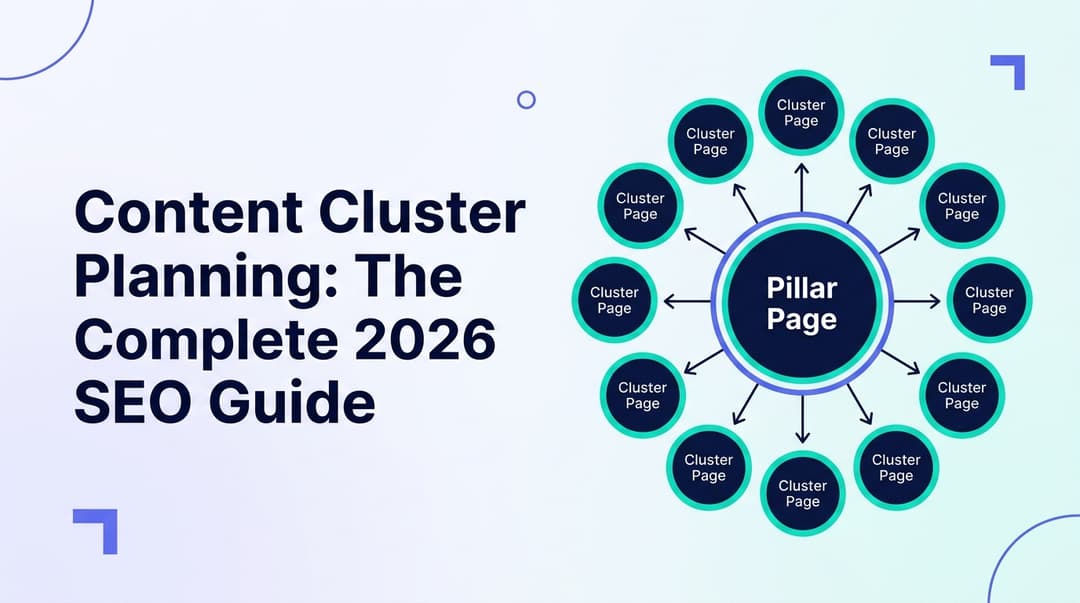
Content Cluster Planning: The Complete 2026 SEO Guide
Learn how to plan content clusters in 2026 to build topical authority, rank higher on Google, and get cited by ChatGPT, Gemini, and Perplexity.

Ranking Opportunity Finder: How to Discover and Win Your Best SEO Keywords in 2026
Learn how to use a ranking opportunity finder to uncover near-win keywords, close competitor gaps, and win AI search citations — and grow organic traffic fast in 2026.
Related Tools
Classify keywords by intent and funnel, or cluster them into topical groups with pillar topics.
Keyword GroupingGroup keywords by search intent, funnel stage, and content type.
Keyword Cannibalization CheckerIdentify pages competing for the same keywords with severity ratings.