Free Google Crawler Simulator
See your website exactly as Googlebot sees it. Enter a URL to simulate a Googlebot crawl and inspect the HTML content, meta tags, links, HTTP headers, and text content that Google discovers when it visits your page.
Crawl a Page as Googlebot
Enter your website to track its AI visibility across ChatGPT, Gemini, Claude, and Perplexity — and turn chatbot mentions into traffic.
- Set up in minutes
- Cancel anytime
How Googlebot Crawls Your Website
Googlebot is the web crawler used by Google to discover, fetch, and index pages across the internet. When Googlebot visits your website, it sends an HTTP request with a specific user agent string that identifies it as a Google crawler. Understanding what Googlebot sees when it visits your pages is critical for effective SEO, because any discrepancy between what users see and what Googlebot sees can lead to indexing problems and lost rankings.
The crawling process begins when Googlebot finds a URL, either from your sitemap, from links on other pages, or through direct submission via Google Search Console. It then sends an HTTP GET request to your server, reads the HTML response, and parses the content to extract information about your page. This includes the page title, meta description, canonical URL, robots directives, all links on the page, and the text content itself.
What This Tool Checks
Our Google Crawler Simulator fetches your page using the exact same user agent string as Googlebot and shows you:
- Page overview: Title tag, meta description, canonical URL, robots directives, HTTP status code, and response time
- Meta tags: Every meta tag found in the HTML head, including Open Graph, Twitter Card, and other structured metadata
- Links: All anchor links on the page with their href, anchor text, rel attributes, and whether they are internal or external
- HTTP headers: The full set of response headers returned by your server, including cache control, content type, and security headers
- Text content: The raw text content that Googlebot extracts from your page after removing scripts and styles
Why Crawl Simulation Matters for SEO
Many SEO issues stem from a mismatch between what site owners think their page shows and what search engines actually see. Common problems include missing or duplicate meta tags, broken canonical URLs, incorrect robots directives that accidentally block indexing, and important content hidden behind JavaScript rendering that Googlebot may not execute.
By simulating a Googlebot crawl, you can catch these issues before they affect your search rankings. For example, you might discover that your canonical URL points to the wrong page, that your meta description is missing, or that important internal links are using nofollow attributes when they should not be.
Common Googlebot Crawling Issues
- Robots.txt blocking: Your robots.txt file may inadvertently block Googlebot from crawling important pages or resources like CSS and JavaScript files
- Noindex directives:A meta robots tag with "noindex" tells Google not to include the page in search results, which may be applied unintentionally
- Canonical URL errors: Incorrect canonical tags can cause Google to index the wrong version of your page or consolidate ranking signals to an unintended URL
- Slow response times: If your server takes too long to respond, Googlebot may reduce its crawl rate or abandon the crawl entirely
- JavaScript-dependent content: Content loaded dynamically via JavaScript may not be visible to Googlebot during the initial HTML crawl phase
- Missing meta descriptions: Without a meta description, Google will auto-generate a snippet from your page content, which may not represent your page well
- Broken internal links: Links pointing to non-existent pages waste crawl budget and create a poor user experience
- Server errors: 5xx status codes indicate server-side problems that prevent Googlebot from accessing your content
Understanding Googlebot User Agents
Googlebot uses different user agent strings depending on the type of content it is crawling. The main desktop crawler identifies itself as:
Mozilla/5.0 (compatible; Googlebot/2.1; +http://www.google.com/bot.html)This is the user agent string our simulator uses. There are also separate user agents for Googlebot Smartphone (mobile crawling), Googlebot-Image (image crawling), and Googlebot-Video (video crawling). Most websites are now crawled primarily with the mobile user agent as part of Google's mobile-first indexing approach.
Tips for Optimizing Your Pages for Googlebot
- Use descriptive title tags that accurately summarize the page content and include target keywords naturally
- Write compelling meta descriptions for every important page to control how your pages appear in search results
- Set correct canonical URLs to consolidate ranking signals and avoid duplicate content issues
- Review your robots directives to ensure you are not accidentally blocking important pages from being indexed
- Optimize server response times to keep them under 200ms for the best crawl efficiency
- Use internal links strategically to help Googlebot discover and understand the structure of your site
- Avoid relying solely on JavaScript for critical content that needs to be indexed by search engines
- Monitor your HTTP headers for proper cache control, content type, and security configurations
Frequently Asked Questions
What is Googlebot?
Googlebot is the web crawling bot (also known as a spider) used by Google to discover and index web pages. It visits your website, reads the HTML content, follows links, and sends the information back to Google for indexing. There are different versions of Googlebot including the desktop crawler and the mobile crawler (Googlebot Smartphone), which is now the primary crawler used for indexing.
How does Google crawl my website?
Google crawls your website by sending HTTP requests to your pages using the Googlebot user agent. It reads the HTML response, parses meta tags and structured data, follows links to discover new pages, and respects directives in your robots.txt file and meta robots tags. The crawler also checks response headers for caching and indexing instructions. Google allocates a crawl budget to each site based on its size and authority.
What can block Googlebot from crawling my site?
Several things can block Googlebot: robots.txt rules that disallow specific paths, meta robots tags with "noindex" or "nofollow" directives, X-Robots-Tag HTTP headers, server errors (5xx status codes), slow server response times, IP-based blocking, and JavaScript-rendered content that Googlebot cannot execute. You should regularly audit your site to ensure none of these issues are preventing important pages from being crawled.
Why does my page look different to Google?
Your page may look different to Google for several reasons: JavaScript-rendered content that Googlebot cannot fully execute, CSS or JavaScript files blocked by robots.txt, server-side cloaking (serving different content to bots), dynamic content loaded after initial page render, or resources blocked by Content Security Policy headers. Using this crawler simulator helps you identify these discrepancies.
Enter your website to track its AI visibility across ChatGPT, Gemini, Claude, and Perplexity — and turn chatbot mentions into traffic.
- Set up in minutes
- Cancel anytime
From the blog
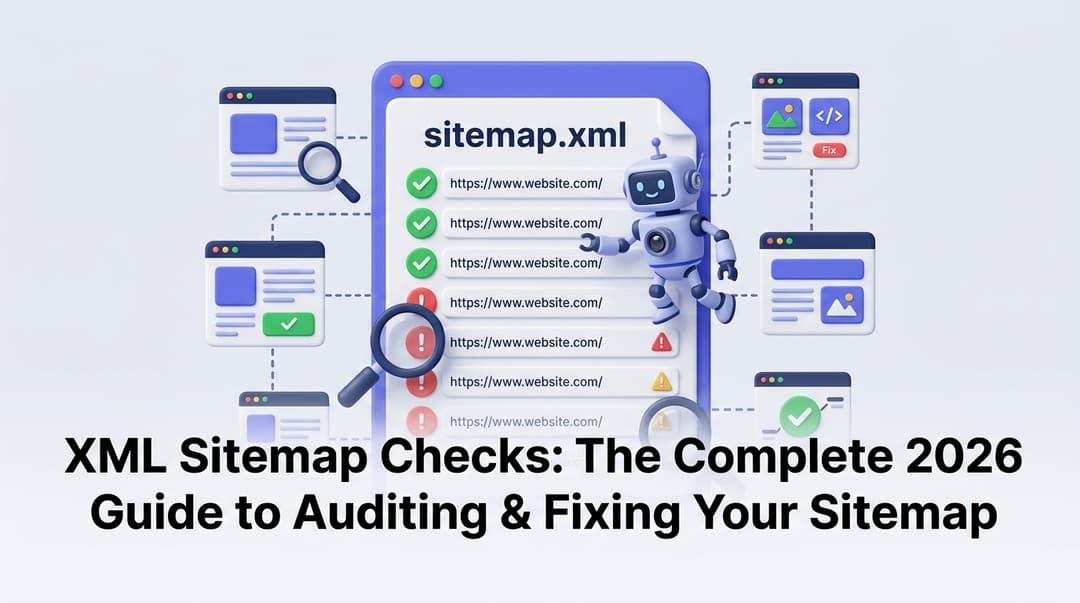
XML Sitemap Checks: The Complete 2026 Guide to Auditing & Fixing Your Sitemap
Learn how to run thorough XML sitemap checks in 2026. Discover common errors, how to fix them, and best practices to improve crawling and indexing.
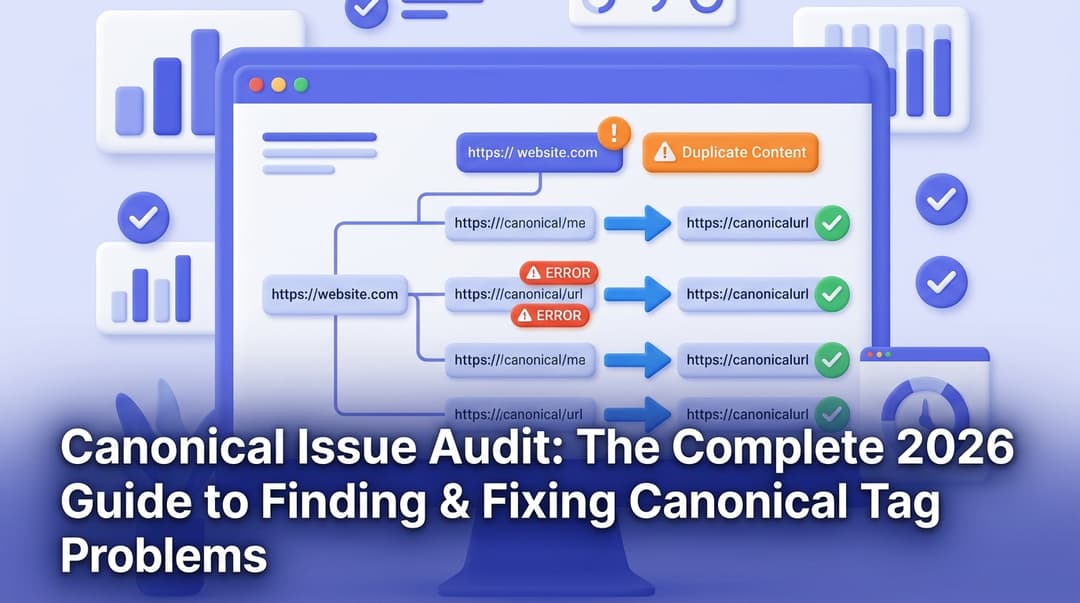
Canonical Issue Audit: The Complete 2026 Guide to Finding & Fixing Canonical Tag Problems
Learn how to run a full canonical issue audit in 2026. Discover the most common canonical tag errors, step-by-step fixes, and tools to protect your SEO rankings.
Related Tools
Check your robots.txt file for crawling and indexing issues.
Noindex CheckerVerify if your pages are accidentally blocked from Google indexing.
HTTP Header CheckerAnalyze your HTTP response headers for SEO and security issues.
Meta Tag AnalyzerCheck all meta tags on your page for completeness and SEO best practices.